-
S4 - Keynote & Gold medal - Improving Cardiovascular Health In The EU: The Challenges Ahead
Done
-
S18 - BWGIC - Filling the gap between treatment guidelines and current practice in Belgium
Done
-
S6 - BACTS & BSC Joint session - The tricuspid valve: how to manage it right?
Done
-
S28 - BIWAC - Mechanical complications after ACS: a multidisciplinary approach
Done
-
S24 - ESC BSC Joint session & Awards, 2025 ESC/EACTS Guidelines for the management of valvular heart disease
Done
-
S21 - BWGPC and Belgian Heart Ligue
Done
-
S15 - BWGHF - Heart Failure in Women
Done
-
S25 - Council on Cardiogenomics - How to interpret a genetic report and manage the result?
Done
-
S12 - BWGA - Artificial Intelligence and cardiovascular diseases
Done
-
S1 - YCC - Invisible Killers: Pollution, Noise & Climate Stress on the Heart?
Done
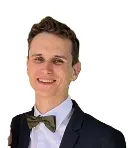
I’m passionate about rhythm management and dedicated to patient care. After completing my medical degree and PhD at UCL (Be), I followed a 2-y interventional electrophysiology fellowship program at the Montreal Heart institute (Canada) . Back in Belgium, I worked for 10 years at the Clinique Universitaire Saint-Luc and since 2020 at AZ sint Jan in Bruges. I’m currently serving as vice president for the Belgian Heart Association (BEHRA) and elected board member for the European Heart Rhythm Association (EHRA).
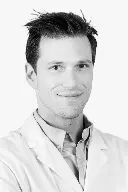
Dr. R.M.A. ter Bekke (assistant professor) is a cardiologist and electrophysiologist with a passion for precision medicine in cardiac arrhythmias. At Maastricht University Medical Center+ and the Cardiovascular Research Institute Maastricht (CARIM), she combines clinical care for patients with complex ventricular tachycardia (VT) with translational research on the genetic, electrical, and structural mechanisms underlying life-threatening arrhythmias.
She aims to translate insights from genetics, imaging, and electrophysiology into improved diagnosis and personalized treatment. Together with a multidisciplinary team, she established the VT-TRACT care pathway, which integrates genetic testing, advanced multimodality imaging (including photon-counting CT, 3D-MRI, and ECG imaging), and ablation procedures into a single continuum of care. Within this framework, she applies innovative therapies such as minimally invasive hybrid VT ablation—a unique collaboration between cardiology and cardiothoracic surgery—and stereotactic arrhythmia radiotherapy (STAR) for patients with therapy-resistant arrhythmias.
Her research focuses on understanding how genetic variation and myocardial scar formation promote arrhythmia and how artificial intelligence can improve risk prediction and treatment selection. Dr. ter Bekke serves as principal investigator within the STOPSTORM consortium, a European research initiative dedicated to developing safe and effective STAR therapy for VT.
She has received multiple awards for his work, including the CARIM Dissertation Award and an NWO Veni grant. She is an active contributor to educational programs of the European Heart Rhythm Association (EHRA).

Prof. Dr. Tomas Robyns is a genetic cardiologist with expertise in hereditary arrhythmias and cardiomyopathies.
He is the head of the Centre for hereditary heart disease at the University hospitals Leuven; and president elect of the Belgian Council on Cardiogenomics.
His research focuses on the genotype phenotype relation of inherited cardiomyopathies and arrhythmia syndromes.
Influence of Self-reported Training Load and Exercise Modality on Atrial Fibrillation Prevalence in Middle-Aged Males
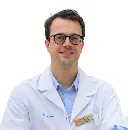
Jarne De Paepe is a PhD researcher and cardiology resident at UZ Leuven, working under the supervision of prof. dr. Guido Claessen and prof. dr. Tomas Robyns. His research focuses on cardiac remodelling, myocardial scarring and ventricular arrhythmias in endurance athletes, with the goal of understanding their natural progression and long-term clinical relevance.